

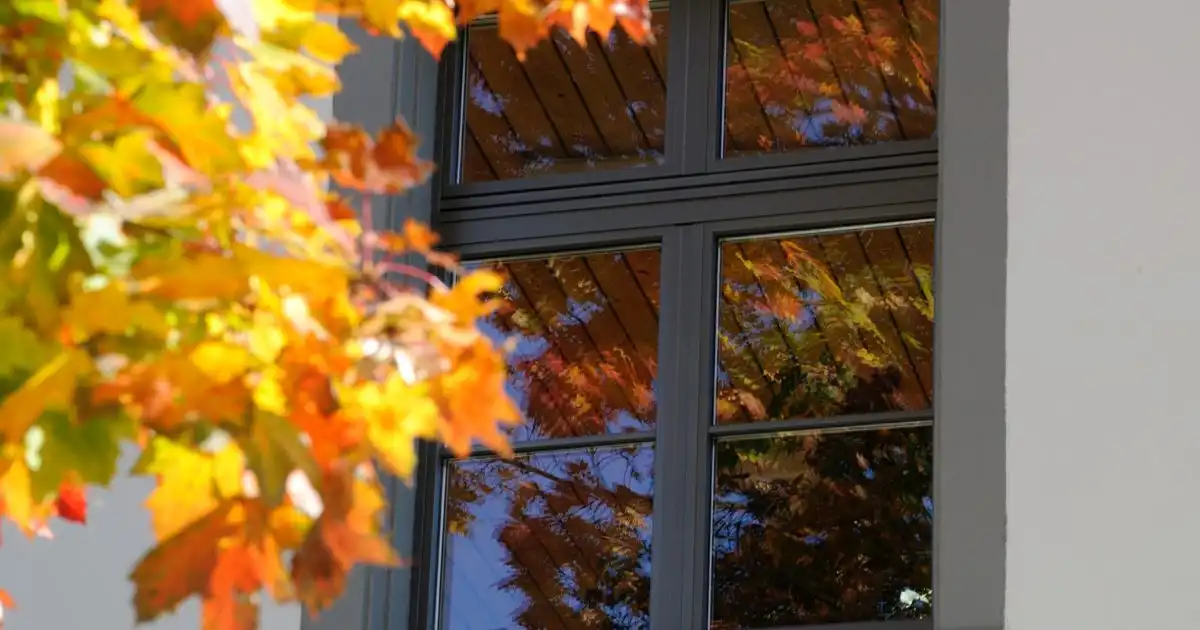
Picture this: it’s the first crisp October morning. You can see your breath and see leaves changing colour from the window. For the first time this season, you go to turn up the heat to make sure the next thing you see isn’t your breath. However, your next sensation isn’t a positive one:
You feel frigid air seeping through your bedroom window. This hits differently when you realize winter is coming, and it’s coming FAST. You're facing months of drafts, sky-high heating bills, and that constant battle between staying warm and staying broke.
Meanwhile, your neighbour just had their windows replaced last September. Their house stays consistently warm, their hydro bill dropped significantly last winter, and they're not dealing with that annoying condensation that fogs up everything or the ice buildup that makes windows impossible to open.
But here's something most Ontario homeowners don't realize, Fall isn't just when you notice your window problems. It's when the best opportunities happen.
We've been tracking window replacement patterns across Ontario for years, and there's a fascinating trend: homeowners who replace windows in fall consistently get better results than those who follow the traditional spring approach.
The Real Cost of Bad Windows (The Hidden Costs Add Up Fast)
Let's talk numbers for a second. The Financial Accountability Office of Ontario tracks energy spending across the province, and here's what every Ontario homeowner should know: in 2019, the average Ontario household spent $2,128 on home energy—with 56% going to electricity and 38% to natural gas.
Now imagine 25% to 30% of that heat just... disappearing through your windows. That's what happens with older, inefficient windows. You're essentially heating the outdoors while your family stays uncomfortable inside.
For context, households in different regions spend significantly different amounts. Eastern Ontario households averaged $2,338 annually, while Greater Toronto Area households spent $2,010. But across all regions, energy efficient windows can cut heating costs by 10-15% immediately.
The comfort factor is huge too. Research shows Ontario winter temperatures can swing 40 degrees or more between day and night. Old windows can't handle those extremes. You get cold spots, drafts, and rooms that feel like different climate zones in the same house.
Why Fall Weather is Actually Perfect for Installation
Spring seems like the obvious choice for window replacement, but the weather data reveals some surprises.
Weather patterns show September and October in Ontario typically offer moderate temperatures and stable conditions—absolutely perfect for installation work. Here's the part most people don't consider; sealants and caulking cure best in moderate temperatures with stable humidity. Fall gives you exactly that.
Spring? Forget it. Historical weather data shows Ontario springs are chaos. Temperature swings from 5°C to 25°C in the same week, random rainstorms, and humidity that jumps around like a toddler on sugar. Your installers spend half their time waiting for weather windows, and materials don't perform consistently.
Summer installations sound appealing until you realize workers are dealing with 35°C heat while handling heavy glass and trying to maintain precision. Plus, opening your home during peak air conditioning season is expensive and uncomfortable.
Winter is obviously problematic, but here's something contractor data reveals: emergency winter window replacements typically cost substantially more because of weather delays, difficult working conditions, and overtime labour rates.
Fall minimizes many of these challenges. Stable weather, comfortable working conditions, and materials that cure properly for long-term performance.

What Most People Don't Know About Pricing
Here's something interesting about pricing that most people don't realize.
Summer demand for exterior work is insane. Everyone wants projects done in "nice weather," creating a perfect storm of high demand and not enough contractors to go around. Industry data shows summer installation requests spike significantly above other seasons. Basic economics: high demand plus limited supply equals premium pricing.
Fall's stable weather conditions create ideal circumstances for quality installations. When crews aren't dealing with weather delays or rushing to beat incoming storms, they can focus entirely on proper technique and attention to detail.
Permit processing is also much faster in fall because fewer people are applying.
Here's an interesting insight about rebate programs: timing makes a huge difference. Ontario's Home Renovation Savings Program launched in January with fresh funding—fall installations tend to have better access before the busy spring season.
Fall installations also get first choice of premium products when inventory is full and delivery timelines are reliable.
The Immediate Payoff That Changes Everything
Here's where the timing advantage becomes crystal clear. Install energy efficient windows in October, and you start seeing benefits on your November heating bill. The savings compound every month through Ontario's six-month heating season.
Here's a pattern we've noticed: if your house was built before 1990 with original windows, fall replacement often pays for itself within 18 months from energy savings. You capture the full heating season benefit immediately.
The immediate comfort improvements are just as valuable as the financial benefits. No more layering sweaters indoors or cranking up the thermostat to compensate for cold spots. Modern windows eliminate those annoying drafts that make certain rooms uncomfortable, and they reduce outside noise significantly. This is especially important if you live near busy streets or construction.
Many homeowners are surprised by how much quieter their homes become. Plus, you'll notice less condensation on windows during cold mornings, which means better indoor air quality and no more wiping down glass or dealing with water damage around frames.
Homes with fall efficiency upgrades also tend to perform better during peak real estate season, as buyers appreciate actual winter performance data. winter heating bill, that can translate to meaningful monthly savings from November through March. Results vary by home size, age, and current window condition, but the potential for significant savings over one winter is substantial.
But wait until spring for installation? You've just spent an entire winter watching energy escape through failing windows.
The comfort improvements hit immediately too. More consistent temperatures between rooms, elimination of cold drafts, and heating systems that don't constantly cycle.
Canadian Mortgage and Housing Corporation says better windows improve sleep quality because of more stable bedroom temperatures and reduced noise infiltration. Your family literally feels better immediately.
Red Flags That Your Windows Are Stealing Your Money
Most homeowners wait until windows completely fail before acting; but that's like waiting until your car engine seizes before changing the oil. The warning signs are there if you know what to look for.
Condensation between glass panes means seal failure. That insulating gas between the panes is gone, and your window now performs like single-pane glass.
Here’s a simple test: on a cold day, hold your hand near a closed window. Feel air movement? That's your heating bill escaping. See frost buildup on the inside? Your windows aren't insulating properly.
Households with failing windows spend 15-25% more on heating costs. If your bills keep climbing but energy rates haven't changed dramatically, your windows are probably the culprit. For a deeper dive into the warning signs most homeowners miss, check out our guide on sneaky signs your windows are costing you money.
Choosing Windows That Actually Work in Ontario
Ontario's climate demands specific solutions. Vinyl windows dominate installations here for good reason—they don't conduct heat, handle temperature swings well, and require minimal maintenance.
Double-pane windows with Low-E coatings and argon gas fills work for most Ontario applications. ENERGY STAR research shows argon fills improve insulation about 15% over air, with upgrade costs paying back within 3-4 years.
ENERGY STAR certification requires climate zone testing. Windows certified for use in Ontario are tested to perform efficiently in our temperature range and may qualify for government rebate programs.

The Real Numbers on Installation Costs
Understanding window installation costs helps you spot good deals and avoid surprises. Vinyl windows typically range $400-$800 per window installed, depending on size and features. Costs vary significantly based on home-specific factors.
Off-season pricing can reduce costs compared to summer peak pricing. Ontario's Home Renovation Savings Program offers $100 per ENERGY STAR window. Window replacement typically pays for itself through energy savings over time and fall installation with rebates can accelerate that payback significantly.
Why Spring Timing Sets You Up to Lose
Waiting until spring creates several disadvantages beyond just enduring another winter with failing windows. Spring brings the annual rush as everyone wants exterior work done in ideal weather, creating longer wait times and higher pricing when demand peaks.
Ontario springs are notoriously unpredictable with frequent rain, temperature swings, and weather delays that can push projects well into expensive summer season. Every month you wait costs money in higher heating bills. Even modest efficiency improvements can save substantially during heating season.
The hidden cost of waiting goes beyond just energy bills. Emergency window replacements during winter often come with premium pricing, sometimes higher than planned installations. When a window seal fails in January and your heating bills spike, you're negotiating from desperation rather than planning strategically.
Spring installations also mean you've missed the entire heating season of potential savings. That's 6 months of higher energy costs you'll never recover, money that could have stayed in your pocket with better timing.
Make This Fall Your Window Upgrade Season
Fall window replacement gives you optimal weather conditions, better contractor availability, cost savings, and immediate performance benefits that start with your very first heating bill.
Your heating system works more efficiently, your family stays more comfortable, and your energy bills drop right when heating costs typically spike. Don't spend another winter watching money escape through failing windows.
Ready to stop throwing money away on heating bills? Contact us today for your free fall window consultation. The best time to replace your windows was last fall. The second-best time is right now.