

Spring is when most KW homeowners start calling roofers, which is also when the comparisons get confusing. Two contractors, two numbers, a gap that's hard to explain when both quotes look like they describe the same job.
What they're usually not describing is the same job. The scope looks identical on paper because both quotes list shingles, tear-off, and disposal. What separates them is everything that isn't listed: how many layers come off, what the deck looks like underneath, whether ventilation gets addressed, and how thoroughly the flashing gets replaced.
When roof replacement costs in Kitchener-Waterloo vary by thousands of dollars between contractors, it's almost never about margin. Understanding what drives the difference tells you which quote to trust.
What Every Quote Should Cover
A complete roof replacement covers the same basic scope regardless of who quotes it: tear-off, disposal, new underlayment, new shingles, and basic flashing at valleys and penetrations. That's the job when everything goes according to plan.
What changes the price is the rest of it. On older KW homes, the rest of it rarely goes according to plan, and the contractors who account for that upfront are writing longer estimates for good reason.
How Many Layers Changes the Price
Ontario Building Code limits the number of shingle layers on a residential roof. When a home already has two layers, both come off before the new shingles go down. That's extra labour, extra disposal weight, and a price that reflects both.
Two-layer tear-off takes considerably more time, produces more disposal weight, and adds money to the total. The difference between one-layer and two-layer tear-off on a typical KW roof is noticeable on a quote. Some older homes have had a first layer shingled over rather than torn off.
When the contractor didn't check before quoting, that's a mid-job surprise. A quote that doesn't mention layers is either assuming one or hasn't asked.
Why Older Homes Change the Equation
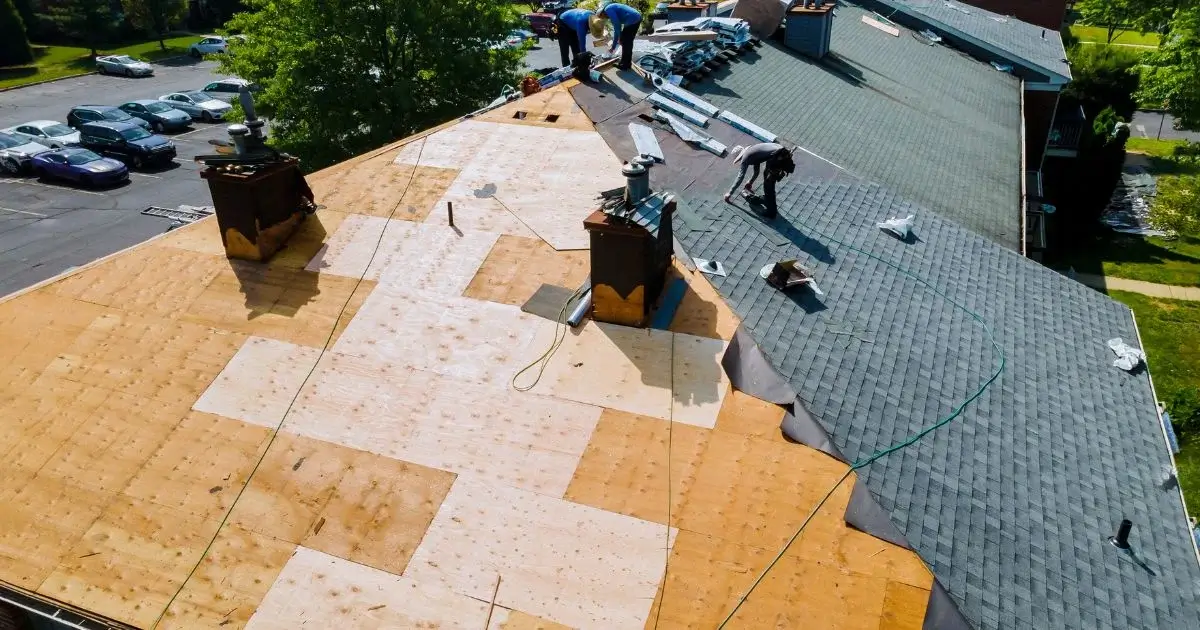
Homes built before 1980 often have roof decking that predates current sheathing standards. When the shingles come off, the deck underneath either holds, or it doesn't. If there's rot or soft spots, the deck needs work before anything else goes on.
Deck repairs are also almost impossible to price accurately until the shingles come off. Extent and material both drive the cost. A partial repair can add significant costs to the total depending on extent and how much of the deck is affected. Contractors who don't flag this in the estimate are either quoting without looking closely or planning a mid-job change order.
In older Waterloo and Cambridge neighbourhoods especially, ask any contractor what they found when they assessed the deck. If they haven't looked closely, that tells you something about how the rest of the job will go. This is also where the repair-versus-replacement question gets real. Bad deck damage on a 25-year-old roof changes the math quite a bit. A roof repair vs. replacement guide can help you think through what makes sense before anyone picks up a hammer.
The Details That Don't Show Up on Cheap Quotes
Three things reliably separate a thorough roofing estimate from a budget one: drip edge, ventilation, and flashing work.
Drip edge is the metal strip along the eaves and rakes that directs water away from the fascia. Ontario Building Code requires it on new installations. Some estimates include it as a line item; others omit it and assume existing drip edge will be reused. Reusing bent or corroded drip edge on a new roof produces fascia rot within a couple of winters.
Ventilation is where bigger money can surprise homeowners. Without adequate attic airflow, shingles break down faster and ice dams form more easily in January and February. A thorough roofing assessment checks ventilation before the quote. Fixing a ventilation problem during the reroof costs less than fixing it after the new shingles are down.
When that line item doesn't appear on a quote and your house is from the 1970s or 1980s, ask why. The Canada Mortgage and Housing Corporation has published guidance on attic ventilation requirements. It's worth reading if you're not sure what adequate airflow looks like.
Flashing is the least glamorous and most important part of the job. Valleys, chimney surrounds, skylights, and roof-to-wall transitions all need flashing properly integrated with the new shingle system. A common shortcut is to lift existing flashing during shingle removal and tuck it back under the new material. On flashing that's five or ten years old, that's workable.
On flashing that's as old as the shingles coming off, you're setting up a leak on an otherwise new roof. Flashing failures are where most roof leaks originate, on systems that are otherwise correctly installed. That's worth knowing before you see "flashing" crossed off a quote to trim the price.
What Shingle Grade Means for Ontario Winters
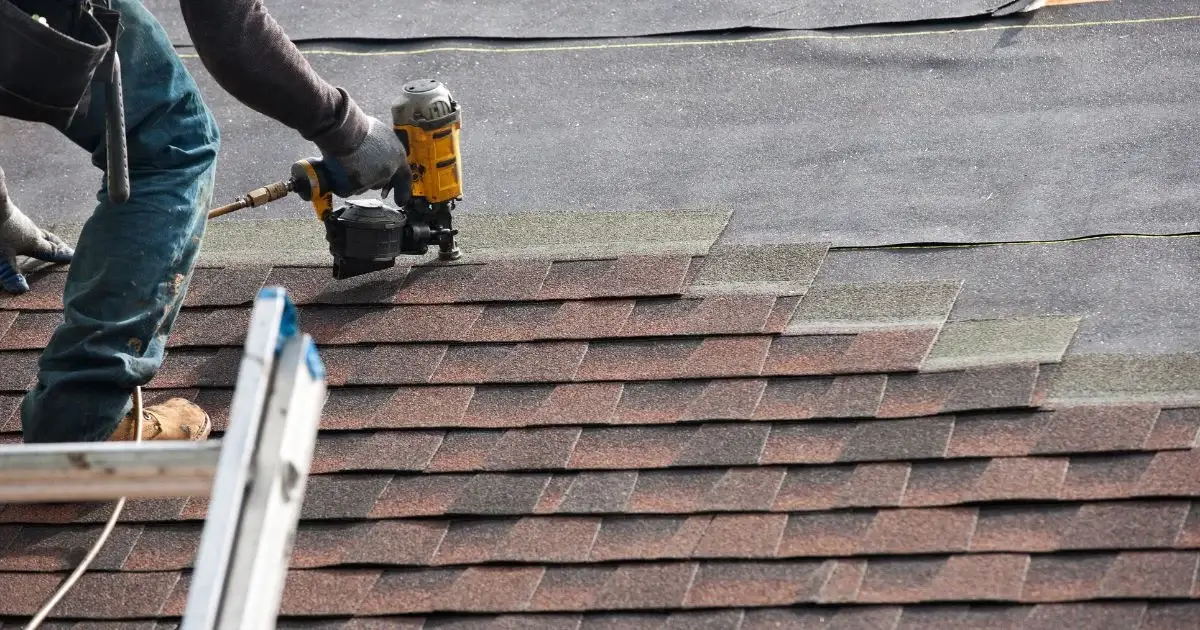
Architectural shingles have replaced three-tab as the standard for KW homes, mostly because of Ontario winters. Three-tab shingles are thinner, lighter, and more vulnerable to wind uplift and freeze-thaw stress. Architectural shingles bond as a single laminated unit and carry better wind resistance ratings. With dozens of freeze-thaws cycles a year in this region, that structural difference accumulates across fifteen winters.
GAF's performance and designer lines differ in thickness, profile, and warranty coverage available through a Master Elite installer. The price gap between standard architectural and a premium GAF shingle is real but not enormous relative to the total. Whether it's worth it depends on the house and what the attic conditions allow. Any contractor who gives you one answer without knowing both is guessing.
IKO's product line covers similar ground. Brand loyalty matters less than matching shingle specification to the roof's actual conditions: slope, exposure, and attic ventilation. A contractor who defaults to one shingle brand without asking about the roof first is prioritizing preference over fit.
The Timing Decision Homeowners Don't Hear About
There's a window between August and early November when shingle installation carries a real advantage in Ontario. Shingle adhesive strips need warmth to bond properly. When shingles go down during that window, the seal sets before winter stress-tests it. A spring installation leaves the shingles to spend their first winter without a fully set seal.
(Fall slots fill faster than spring in KW. Contractors know the timing matters. Homeowners who've been through one winter with poorly bonded shingles know it too and tend to mention it.)
For a roof that's actively leaking, waiting until fall isn't the answer. But for a roof at end of life that's still functional, timing the replacement deliberately has real value. If you're weighing this season against next, reading about signs your roof needs an upgrade before winter can clarify the call.
What GAF Master Elite Certification Means for Your Quote
When a contractor carries GAF Master Elite certification, the practical implication is access to extended system warranties that non-certified contractors can't offer. Only about 2% of roofing contractors qualify, and it requires meeting installation standards that GAF directly audits.
A Master Elite installation warranty covers both materials and workmanship under one document. It's issued through the manufacturer, not just the contractor. That's different from a standard shingle warranty, which covers manufacturing defects in the material but says nothing about the installation.
When comparing quotes, ask each contractor what warranty covers the installation itself and what's required to make a claim. That question separates contractors who are accountable for the outcome from those who are only accountable for the shingle.
Rick MacDonald's installation warranty covers the full scope of the work, not just the materials. Natural Resources Canada tracks roofing performance standards for Canadian climates. Their guidance on material specifications is worth reading if the warranty numbers don't mean much to you yet.
Comparing Roofing Quotes: What to Look For
When you have two estimates with a significant gap between them, look for these specific line items: tear-off and disposal (one or two layers noted), underlayment type, drip edge (new or reused), flashing scope (partial or complete replacement), ventilation (noted or absent), and deck inspection or contingency provision.
A quote missing drip edge, ventilation, or flashing scope is assuming existing work stays in place. Or it hasn't been assessed closely enough to know. Neither is reassuring on a roof that's 20 or 25 years old. The gap between quotes is rarely about margin. It's usually about what's included and what the contractor found when they looked. Understanding which one applies tells you which quote to trust.
For anyone who's been through a replacement and found the lower quote came with mid-project surprises, the pattern is familiar. Asking specific questions about each line item before signing is the only reliable way to break it.
If the numbers still don't add up after comparing line items, a free roofing assessment helps. It shows what's in each quote and what was quietly left out. We offer free assessments across Kitchener-Waterloo, Cambridge, and Guelph. Book one before signing anything.