


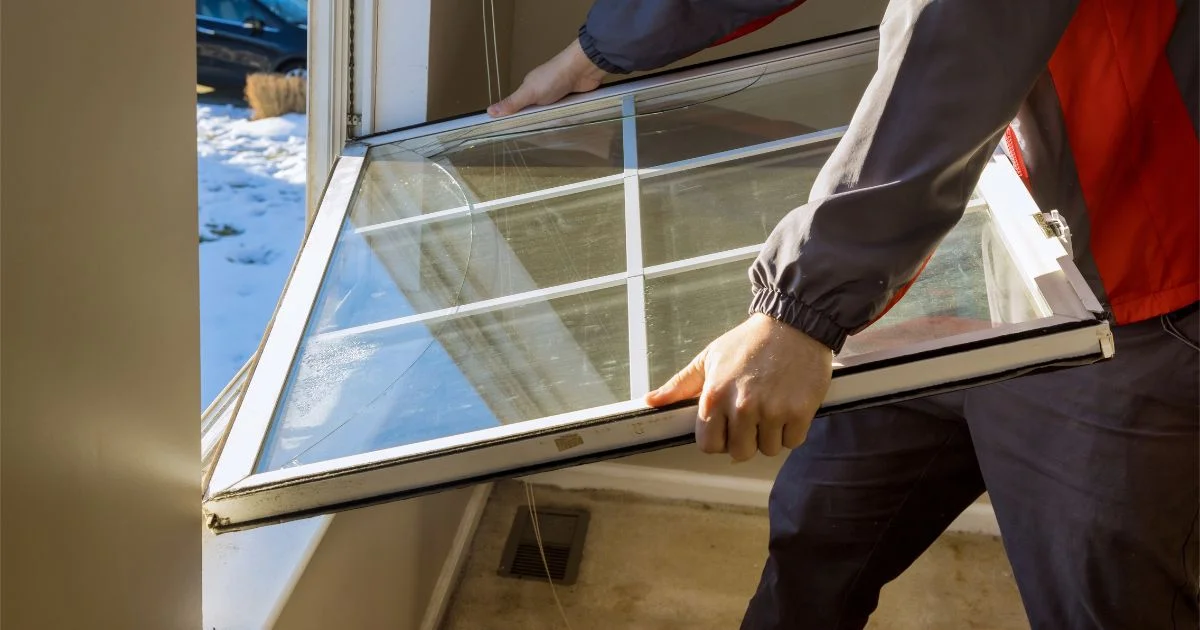
That crack in your living room window happened at the worst possible time. It's mid-January, the temperature hasn't climbed above -15°C in weeks, and you're watching your heating bill spike as cold air pours through the damaged frame.
Your neighbour says you have to wait until spring. The contractor down the street says winter installation is fine. Your brother-in-law insists it's impossible to get proper sealing in freezing temperatures. Everyone has an opinion, but nobody seems to have actual facts.
Here's what we've learned from installing thousands of windows across Ontario winters over five decades: yes, you can replace windows in winter. The answer depends on specific conditions, proper techniques, and understanding when winter installation makes sense versus when waiting might work better for your situation.
The Myth That Keeps Homeowners Waiting
Somewhere along the line, conventional wisdom decided winter window replacement was impossible. This belief probably started decades ago when sealants genuinely did fail in cold weather and installers couldn't make things work reliably.
But materials evolved. Techniques improved. The industry moved forward while the old advice stayed stuck.
Now homeowners sit through entire winters with plastic-wrapped windows, watching their heating bills climb, because they've heard replacement is impossible. They're losing money every day based on information that's no longer accurate.
Meanwhile, installers who understand modern cold-weather techniques work straight through winter, delivering installations that perform just as well as summer work. What people believe and what's possible are two quite different things.
When Winter Installation Actually Makes Sense
Here's something worth knowing, emergency winter replacement often gives you good results because winter naturally focuses attention on the work.
Your installer isn't juggling five other projects. They're not rushing to fit you in before the next job. Winter scheduling spaces projects out, which means your installation gets the time and care it needs.
Spring? That's when everyone wants exterior work done at once. Contractors book solid. Installation crews move quickly between jobs. Projects get delayed by rain, scheduling conflicts, and the general chaos of peak season.
Beyond scheduling, winter reveals window performance immediately. Install in October and you know by November whether everything's working right. Install in May and you won't discover issues until next winter—when your warranty period is shorter and the installer is busy again.
If you're dealing with drafts, condensation, or climbing energy costs, waiting doesn't improve anything. Every month of delay is money leaving through your windows.
What Actually Matters About Temperature
Let's get specific about temperature, because "too cold for windows" doesn't mean much without details.
Standard sealants stop working properly below 5°C. Not because of magic—the chemistry requires certain temperatures for proper bonding. Below that point, sealants might look set but haven't actually cured. Come spring, they can fail.
This is probably where the myth started. Contractors using standard products in cold weather saw legitimate failures that scared everyone away from winter work.
Cold-weather sealants changed the game. These formulations bond properly down to -15°C or lower. Standard products from major manufacturers, designed specifically for Canadian winters.
Proper window installation significantly impacts home energy efficiency, which is why material selection and technique matter so much in cold weather. The thing is, they cost more and require different application techniques. Not every contractor stocks them. Some aren't even aware they exist.
Vinyl frames create another temperature consideration. Install a vinyl frame at -10°C and it's at maximum contraction. Summer arrives, temperatures hit 30°C, and that frame expands. Understanding how building materials respond to temperature changes helps explain why proper installation accounts for this movement. If the installer didn't leave proper expansion gaps, you can get binding, warping, or operation issues.
This isn't complicated. Experienced installers account for thermal movement as part of the job. But it requires knowing the installation temperature and calculating the right gaps. Miss this step and summer brings problems that seem unrelated to winter installation.
How Professional Winter Work Actually Happens
Walk onto a professional winter installation and you'll see equipment most homeowners don't expect. Space heaters around the work area. Temporary enclosures holding heat. Thermometers monitoring temperature.
This isn't about worker comfort. It's about maintaining the 10-15°C zone where cold-weather sealants cure properly and vinyl frames can be worked safely.
The window itself needs temperature management. A window sitting in a truck at -20°C can't go directly into installation. Thermal shock risks glass cracking and frame distortion. Windows get staged in heated areas, brought gradually to working temperature, then installed while materials are stable.
Inside your home, plastic barriers create controlled spaces. The installation area stays contained. Cold air doesn't flood through your house. Your heating system doesn't struggle to compensate for wide-open exterior walls.
Every step takes longer than summer installation. Material prep adds time. Temperature monitoring adds steps. Extra sealing and protection extend the process.
This is why winter installation costs slightly more—it genuinely requires more work, better materials, and careful attention to detail. But the results match summer work when techniques are right.
What We've Learned from Winter Installations
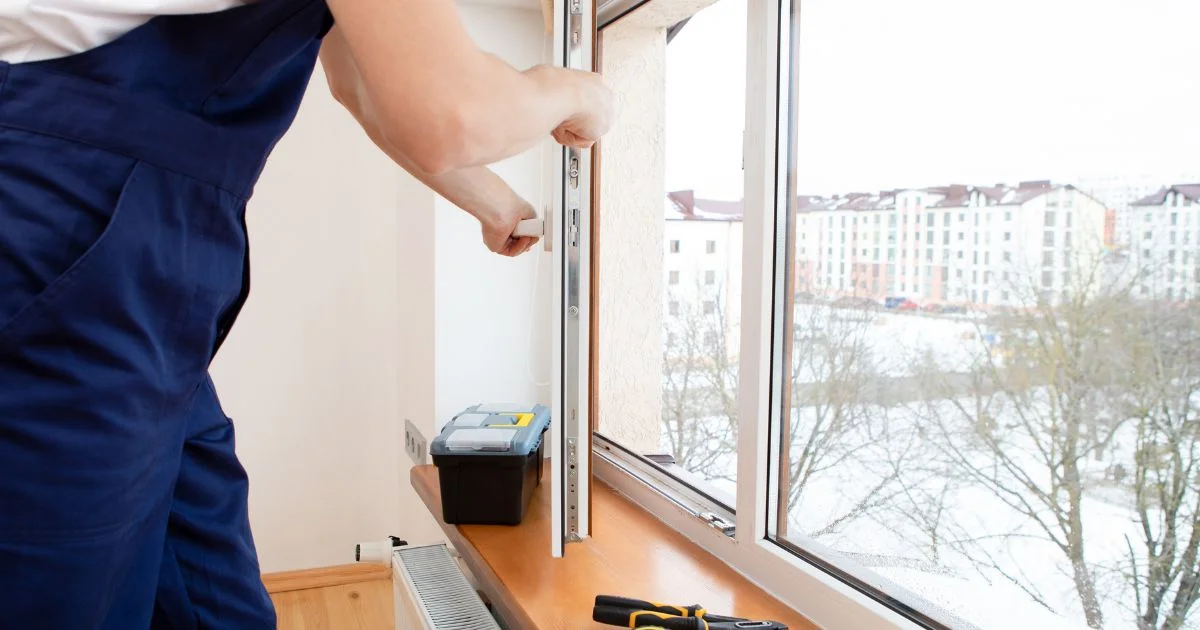
Over five decades of winter work, we've fixed enough problematic installations to recognize patterns in what goes wrong.
The biggest concern? Contractors who say, "we just use regular materials and work fast before things freeze." That's not a technique—that's hoping for the best.
Sealant failures show up most often. We've redone installations where sealants looked perfect initially but failed within a year because they were applied below their cure temperature. The homeowner couldn't tell the difference at installation, the problems emerged slowly as temperature cycles exposed inadequate bonding.
Frame issues usually appear in summer. We've been called to address windows that won't open smoothly or frames that bow slightly in heat. Working backward, the installation was done in winter without proper expansion allowances. February looked fine. July revealed the problem. August brought the phone calls.
Condensation and moisture issues tend to develop gradually. We've seen installations where the temperature transition between warm interior and cold exterior wasn't managed properly. Moisture accumulated in wall cavities. By the time homeowners noticed, mold had decided to set up permanent residence behind walls.
These patterns taught us what matters most: the right materials for the temperature range, proper expansion calculations for vinyl, careful temperature management during installation, and attention to moisture control throughout the process.
The installations that perform well long-term all have these elements handled correctly from the start. The ones that don't... well, that's how we learned what to do differently.
The Timing Most People Overlook
Everyone focuses on winter versus spring. The actual sweet spot often gets missed completely.
Fall—specifically September through November—offers advantages that winter and spring don't. Moderate temperatures make installation straightforward. Weather stays reasonably stable. And you start benefiting during heating season instead of waiting months to see returns.
We recommend fall installations often because the timing works so well. Install in October and your November heating bill already reflects the improvement. Install in May and you wait until next November to see real benefits.
Spring's reputation is better than its reality. Ontario springs bring weather chaos. Snow in May happens. April brings freezing nights and warm days—temperature swings that complicate installation nearly as much as winter cold.
Summer installations mean opening your home during peak cooling season. Materials get stressed by heat. Everyone wants work done, creating scheduling challenges and potentially rushed jobs.
Thinking about seasonal advantages matters more than just wondering if winter is "possible." The best time depends entirely on your specific situation and how urgent things are.
Making Your Decision
Strip away the myths and you're left with practical questions about your situation.
Is the window actually broken, or just inefficient? Broken means emergency installation makes sense regardless of the season. Inefficient means you can think strategically about timing—even if that window has been annoying you for three years.
How are your heating costs right now? If you're spending significantly more money monthly, winter installation pays for itself through stopped waste. If costs are annoying but manageable, waiting might work fine.
What's the project scope? Single emergency window? Winter installation is straightforward. Whole-house replacement? Fall timing gives you better results unless your current windows are costing you every month.
Experience with cold-weather installation matters. We've spent decades learning what works in Ontario winters, what materials perform reliably, what techniques prevent problems, what details make the difference between installations that last and those that need fixing two years later.
Winter installation isn't impossible. But it's also not always the ideal choice for planned projects. The right answer depends on your specific circumstances.
Moving Forward with Your Windows
Every season has its challenges—rain, heat, leaves, cold. What matters is working with someone who understands the season and adapts accordingly.
Got a broken window right now? You don't need to wait. Modern materials and proper techniques make winter installation work well when you need it.
Planning a larger project with some flexibility? Think about when installation delivers maximum benefit. That's usually not winter—but it might not be when you first expected either.
Have questions about whether your situation needs immediate attention? We'll give you an honest assessment. Sometimes winter installation makes complete sense. Sometimes waiting provides better value. Sometimes fall timing beats both.
Contact us for a conversation about your windows, your timeline, and what makes sense for your situation. We've worked through enough Ontario winters to know when immediate action helps and when better timing makes the difference.